Surface treatment for technical springs
For durable industrial springs
To specifically improve the properties of technical springs, we apply appropriate surface treatments at the customer’s request.
These serve either functional purposes, such as corrosion protection or reducing friction, or they have a purely decorative function. It is also possible to combine both purposes.
Surface Treatment of Technical Springs by Experts

Selecting the Surface
as required (functional/decorative/combined)

Clean Process Chain
including pre- and post-treatment

Machining
such as deburring or grinding before or after treatment

Quality Assurance
Inspection of surfaces and close coordination with our partners
Overview of Surface Treatment Types
Surface treatment for industrial springs is rarely purely cosmetic. In practice, the goal is to specifically improve certain properties or ensure process reliability. Depending on the application, we design the surface treatment to be compatible with the material, the operating environment, and the component’s function.
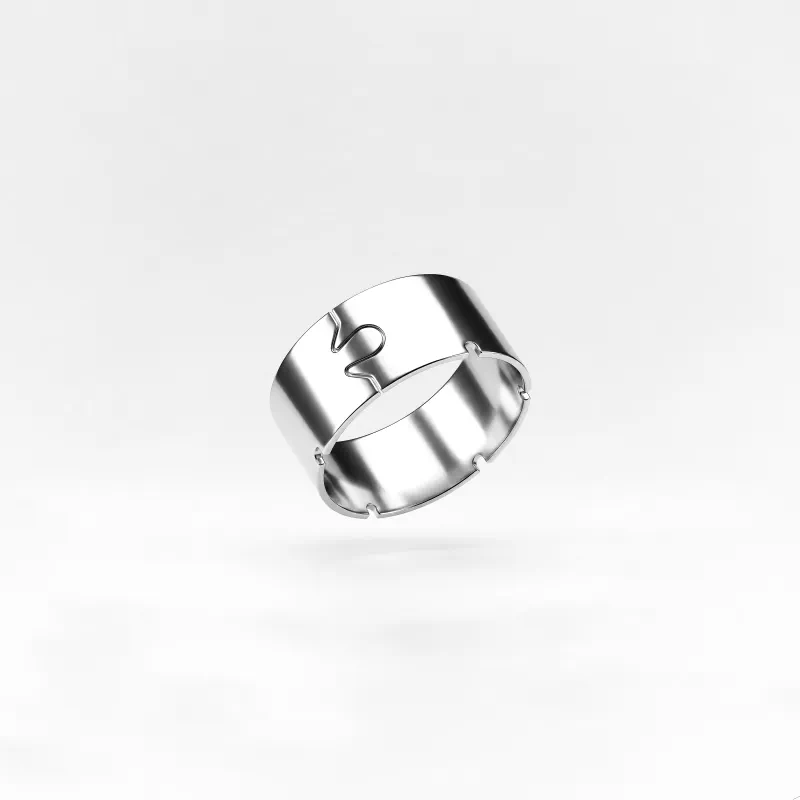
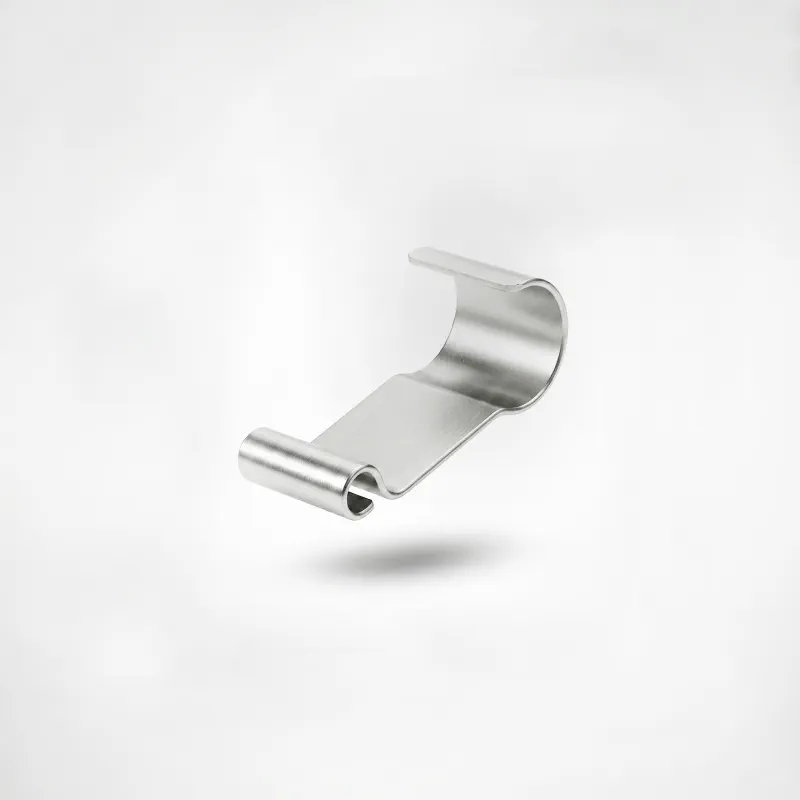
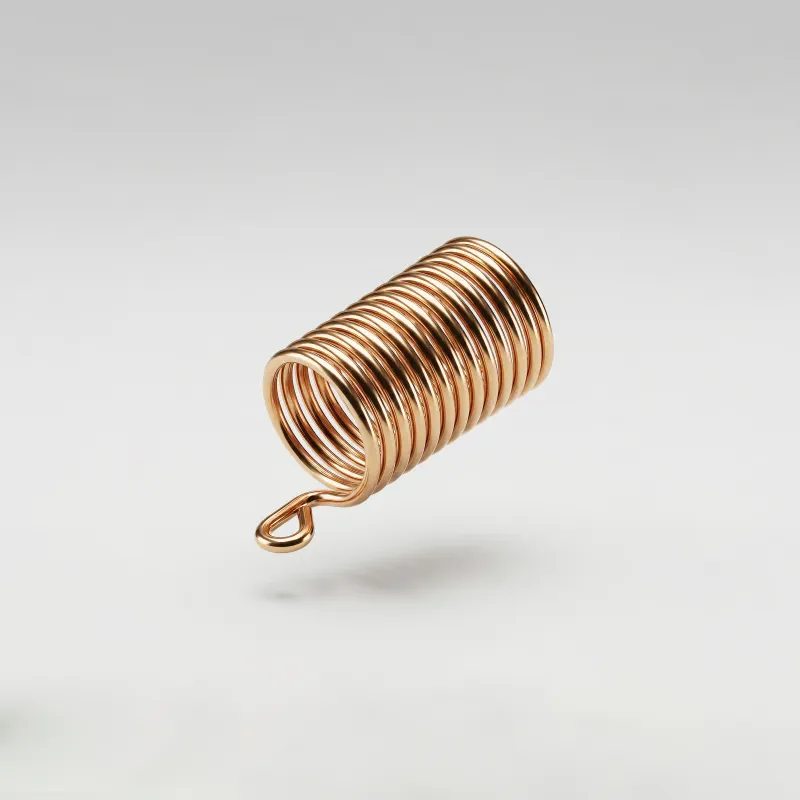
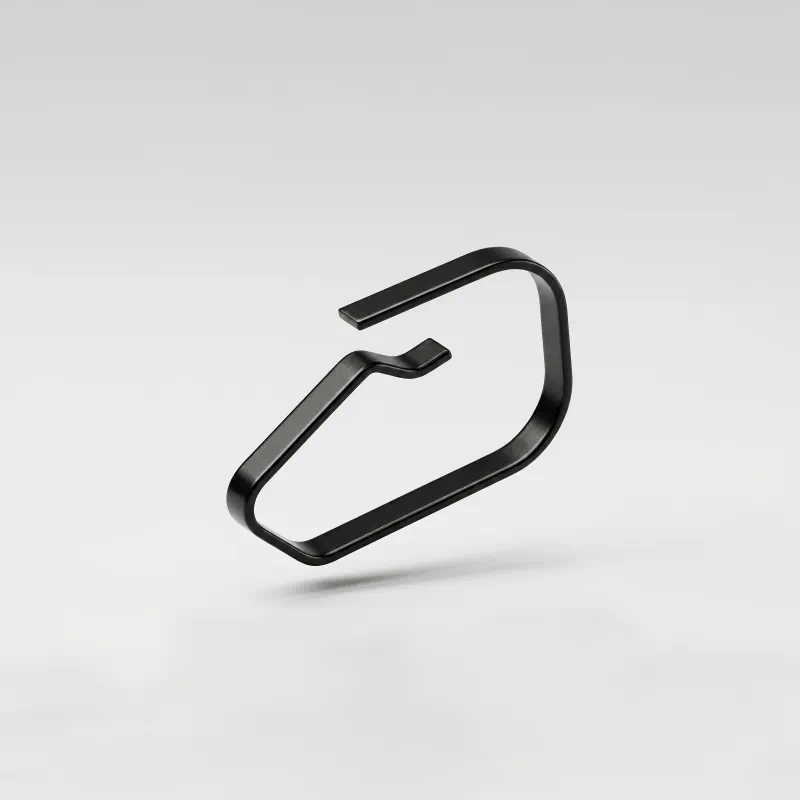
We offer the following surface treatments for stamped and bent parts, compression springs, and other types of technical springs:
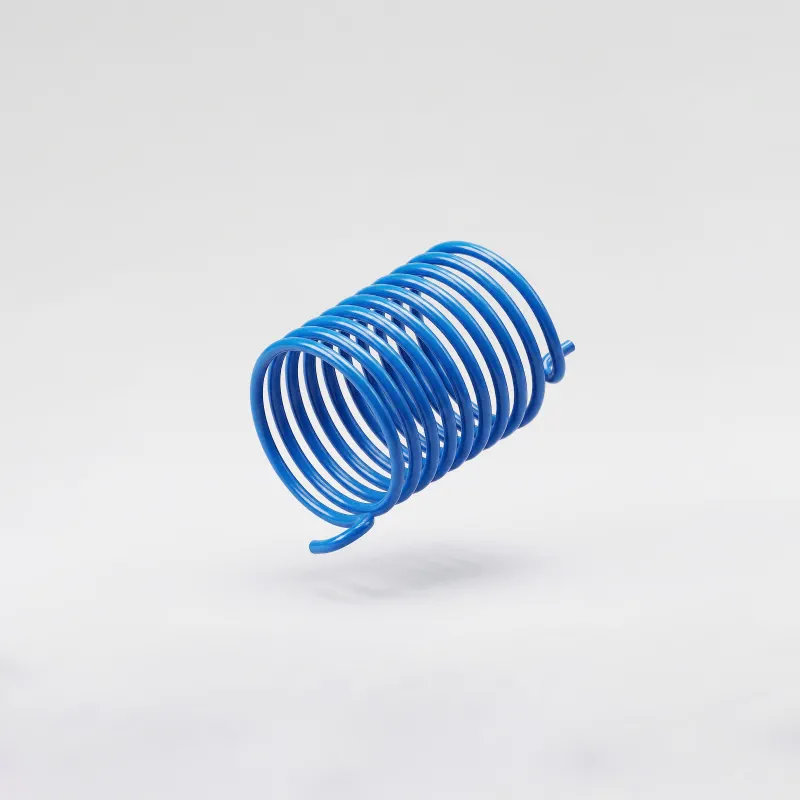
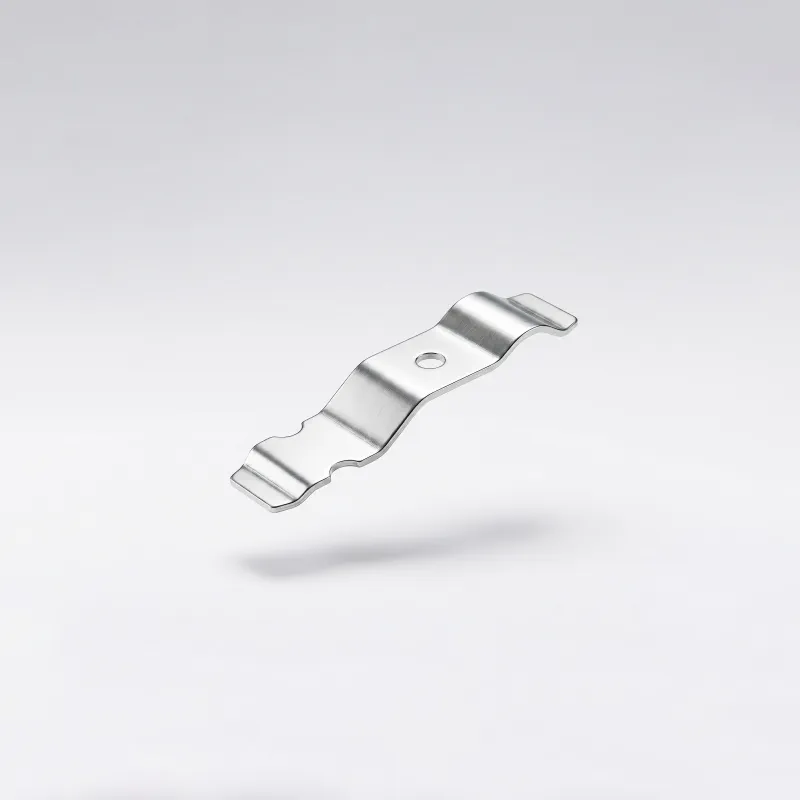
Corrosion Protection for Technical Springs
Corrosion is a common cause of performance loss in industrial springs. Proper corrosion protection ensures the service life and operational reliability of the springs and reduces downtime and customer complaints.
If the spring needs long-term protection against rust and environmental factors, we select an appropriate protective coating and tailor the process to the material and its intended use.
A simple surface treatment that provides minimal corrosion protection and a black finish. When applied to stainless steel , the process is referred to as stainless steel blackening.
Non-electrolytically applied zinc lamella coatings that provide good corrosion protection. They consist of zinc and aluminum lamellae in an inorganic matrix and can also be colored through post-treatment processes.
Zinc coating with a specified minimum thickness (µm) and color options:
A: clear, B: blue, C: yellow, D: olive, F: black.
The clear and blue variants arechromium-VI-free and RoHS-compliant.
Electrolytic nickel plating provides high long-term corrosion protection, even under thermal stress (e.g., 720 hours according to DIN 50021). In addition, it can reduce contact corrosion in steel parts when in contact with aluminum. Appearance: white, silver-like.
Coating process for electrically conductive materials: Powder coating is applied to the pretreated surface and then cured using heat.
Pre- and Post-Treatment
To ensure that coatings on technical springs last, the surface must be clean and reactive. That is why, before the actual surface treatment, we remove grease, scale, and rust so that the coating adheres reliably and its protective effect is not compromised by residues.
During pickling, rust and scale are removed using acids. When combined with degreasing, this results in a clean, bare metal surface that serves as the foundation for a uniform and durable coating.
Annealing is a heat treatment used to drive hydrogen out of the surface. This reduces the risk of brittle fractures and is primarily used as a post-treatment in electrogalvanizing.
Selected Areas of Application
Surface Finishing
Depending on the application, a surface treatment can, for example, enhance electrical properties. In technical fields, gold coatings are often used for this purpose, and they are also of interest for decorative applications.
Would you like to choose the right surface finish for your application? We’d be happy to advise you and recommend the process that will deliver the best results for your specific application.
Friction Reduction
If the goal is to reduce friction and wear or prevent noise, anti-seize coatings such as Gliss-Coat or Gleitmo SFL 9085 are suitable options, depending on the environment and temperature range.
A lubricating coating designed to improve sliding properties. It reduces friction and wear and helps prevent noise. Color options: matte dark gray or black.
Colorless, water-based anti-seize compound that adheres to all material surfaces. Primarily used for noise reduction (creaking). Temperature range: -180 °C to +250 °C.
Decorative Surfaces
One method that can be used to color surfaces is the polyspectral process. In this process, the surface is modified so that it specifically reflects only a certain wavelength of light, thereby creating the desired color effect.
Conductive and non-conductive metals can be used as base materials. Common color finishes include gold, bronze, and, above all, black. Other color shades are also available depending on requirements.
Machining of Technical Springs
Through mechanical processing, technical springs and stamped parts are prepared so that they can be handled safely, fit neatly during assembly, and function reliably under load. Different processes are used depending on the component and its application.
Punching can create sharp edges (burrs). Deburring rounds off these edges, making the parts safer to handle and reducing the risk of injury.
The end faces of technical compression springs are ground to ensure a flat contact surface when installed. This allows the compression springs to withstand higher loads and operate more stably within the system.
For complex shapes, we use environmentally friendly plasma polishing. This electrolytic process allows for deburring and can simultaneously produce a shine that is often unattainable with traditional polishing methods.For complex shapes, we use environmentally friendly plasma polishing. This electrolytic process enables deburring and, at the same time, can produce a shine that is often unattainable with traditional polishing methods.
Vibratory finishing (also known as tumbling, trowalizing, or scouring ) is used to remove burrs or residues. A specialized form of this process is vibratory finishing, which produces consistent results when processing larger quantities.
Finalize the design and clarify the implementation
Do you already have specifications for surface treatment, or would you like to choose the best option in terms of corrosion protection, friction, or appearance?
Send us the basic data, and we will recommend the appropriate process and tailor the pre- and post-treatment as well as the execution precisely to your application.
This helps us make a quick assessment:
- Material and operating environment (e.g., humidity, temperature, contact surfaces)
- Purpose of the surface (corrosion protection, friction reduction, decorative)
- Drawing/sample part and planned quantity (optional)
Phone: 0371 572 85-0
Email: info@federn-weigel.de
Questions and Answers About Surface Treatment
Which surface treatment is right for my application?
That depends on the application environment, the material, and the objective—for example, corrosion protection, friction reduction, or a decorative finish. Based on this information, we will recommend the appropriate process.
Why are pre- and post-treatment procedures so important?
For coatings to last, the surface must be free of grease, scale, and rust. Pickling and degreasing prepare the surface, while annealing can reduce the risk of breakage—for example, in electrogalvanizing.
What options are available for corrosion protection in technical springs?
For coatings to last, the surface must be free of grease, scale, and rust. Pickling and degreasing prepare the surface, while annealing can reduce the risk of breakage—for example, in electrogalvanizing.
What can be done to prevent friction, wear, or noises like creaking?
Depending on the requirements, we offer, among other things, burnishing, zinc flake coating, electrogalvanizing, nickel plating, or powder coating. We select the appropriate protective coating based on the intended application.
When is mechanical processing, such as deburring or grinding, appropriate?
When sharp edges (burrs) need to be removed, safe handling is important, or compression springs require a flat contact surface. Plasma polishing can be used for complex shapes, while vibratory finishing can be used for large quantities.